Kilimanjaro 7 Days Machame Route: The Scenic Whiskey Route Adventure
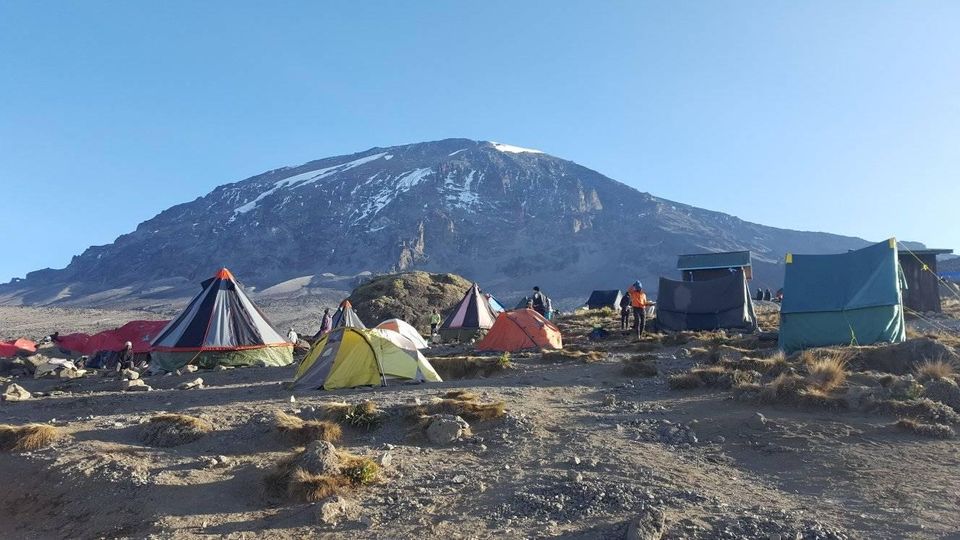
The 7 Days Machame Route, often referred to as the “Whiskey Route,” is one of Kilimanjaro’s most popular and scenic paths to the summit. Known for its beautiful landscapes, this route offers a diverse experience, from lush rainforests to the stunning Shira Plateau and the dramatic Barranco Wall. The trek provides excellent acclimatization opportunities due to its “climb high, sleep low” profile, enhancing your chances of reaching Uhuru Peak successfully. The Machame Route is suited for adventurous trekkers looking for a slightly more challenging, yet rewarding Kilimanjaro experience.
Call to Action:
Ready to take on the challenge of climbing 7 Days Kilimanjaro via the Machame Route? Contact Safari Experience Africa today to book your adventure and create memories that will last a lifetime!
Kilimanjaro 7 Days Machame Route Itinerary:
Day 1: Moshi to Machame Gate to Machame Camp
- Elevation: 1,800 meters to 2,835 meters
- Trekking Time: 5-7 hours
- Habitat: Rainforest
Your journey begins with a scenic drive to Machame Gate, where you’ll complete registration formalities. The trek starts in Kilimanjaro’s lush rainforest, filled with vibrant greenery, towering trees, and a variety of wildlife. As you ascend, the trail becomes steeper, and you’ll pass through giant ferns and moss-covered trees. After about 5-7 hours, you’ll reach Machame Camp, located on the edge of the rainforest.
Day 2: Machame Camp to Shira Camp
- Elevation: 2,835 meters to 3,750 meters
- Trekking Time: 4-6 hours
- Habitat: Moorland
Day 3 marks your transition from the rainforest into the moorlands. You’ll trek up a steep ridge, with expansive views of Kibo Peak and the Shira Plateau. As you gain altitude, the landscape becomes more arid and rocky. You’ll stop for the night at Shira Camp, where you’ll be treated to spectacular sunsets over the Shira Plateau, a UNESCO World Heritage Site.
Day 3: Shira Camp to Lava Tower to Barranco Camp
- Elevation: 3,750 meters to 4,600 meters (Lava Tower) to 3,960 meters (Barranco Camp)
- Trekking Time: 6-8 hours
- Habitat: Semi-desert, Alpine
This day is critical for acclimatization as you “climb high, sleep low.” You’ll hike up to the Lava Tower at 4,600 meters, where you can take in stunning views of the volcanic rock formations and rest briefly. From there, you’ll descend into the Barranco Valley, ending at Barranco Camp. The descent helps your body adjust to the altitude while being surrounded by the dramatic landscapes of giant groundsels and the towering Barranco Wall.
Day 4: Barranco Camp to Karanga Camp
- Elevation: 3,960 meters to 4,035 meters
- Trekking Time: 4-5 hours
- Habitat: Alpine desert
On this day, you’ll face the famed Barranco Wall, a steep scramble up rock faces, but it’s not as difficult as it looks. Your guide will help you navigate the path. After the climb, the trail continues with undulating terrain and beautiful views of the southern glaciers. You’ll arrive at Karanga Camp, where you can rest and take in the breathtaking scenery.
Day 5: Karanga Camp to Barafu Camp
- Elevation: 4,035 meters to 4,640 meters
- Trekking Time: 3-4 hours
- Habitat: Alpine desert
Your journey continues with a moderate hike to Barafu Camp, the final base before your summit attempt. The path is steep, rocky, and barren, but the excitement builds as you get closer to your goal. Once at Barafu Camp, you’ll prepare for the final ascent. It’s essential to rest well and prepare for the midnight climb to the summit.
Day 6: Barafu Camp to Uhuru Peak to Mweka Camp
- Elevation: 4,640 meters to 5,895 meters (Uhuru Peak) to 3,100 meters (Mweka Camp)
- Trekking Time: 10-14 hours
- Habitat: Arctic zone, Moorland
Your summit day begins around midnight. Using your headlamp to navigate, you’ll trek in the darkness up steep switchbacks towards Stella Point (5,739 meters). The air is thin, and the climb is physically demanding, but as dawn approaches, you’ll witness the glorious sunrise over the African plains. After another hour of trekking, you’ll reach Uhuru Peak, the highest point in Africa at 5,895 meters. After celebrating and taking photos, you’ll begin the long descent down to Mweka Camp for your final night on the mountain.
Day 7: Mweka Camp to Mweka Gate
- Elevation: 3,100 meters to 1,640 meters
- Trekking Time: 3-4 hours
- Habitat: Rainforest
The final day of your trek is a gentle descent through the rainforest back to Mweka Gate. Upon arrival, you will receive your Kilimanjaro summit certificate. After a short ceremony, you’ll be transferred back to your hotel in Moshi for a well-deserved rest and celebration dinner.
Kilimanjaro Tour Inclusions & Exclusions
Tour Inclusions:
- All park fees and permits
- Professional mountain guides and support staff
- Quality tents and camping equipment
- Meals during the trek (breakfast, lunch, dinner)
- Accommodation before and after the trek
- Transfer to and from Kilimanjaro International Airport
- First aid kit and emergency oxygen
Tour Exclusions:
- International flights and visas
- Personal gear and equipment (e.g., sleeping bags, trekking poles)
- Tips for guides and porters
- Travel insurance
- Optional excursions or additional activities
FAQs for Kilimanjaro 7 Days Machame Route:
1. Is the Machame Route difficult?
The Machame Route is considered a challenging trek, primarily due to its steep sections and longer duration. However, it is highly scenic and offers excellent acclimatization, making it a popular choice among climbers.
2. How long do we hike each day?
Hiking times vary, but you can expect to trek between 4-8 hours on most days. Summit day is the longest, requiring up to 14 hours of trekking.
3. What’s the best time to climb the Machame Route?
The best times to climb are during the dry seasons: from January to early March and from June to October. During these months, the weather is more predictable, and the views are clearer.
4. Do I need prior experience to climb the Machame Route?
No prior climbing experience is necessary, but a good level of physical fitness is recommended. You will be trekking for several hours each day at high altitudes.
5. How does the “climb high, sleep low” strategy work?
The Machame Route incorporates this acclimatization strategy, where you ascend to a higher elevation during the day (e.g., Lava Tower) and descend to a lower elevation to sleep (e.g., Barranco Camp). This helps your body adjust to the altitude and increases your chances of reaching the summit.
6. What kind of support will I have during the trek?
You’ll have a professional team consisting of experienced guides, porters, and a cook. They will handle all camp setups, prepare meals, and ensure your safety throughout the journey.
7. Can I rent trekking gear for the Machame Route?
Yes, most equipment, such as sleeping bags, trekking poles, and jackets, can be rented in Moshi. However, it’s best to bring your own well-worn hiking boots and personal clothing.
8. How does altitude affect the trek?
Altitude sickness is a risk on any Kilimanjaro climb. The Machame Route is designed to maximize acclimatization with its gradual ascent and acclimatization days, but it’s still essential to listen to your guide and take the trek slowly.
9. What are the accommodations like on the Machame Route?
You will camp in tents provided by the trekking company, and the campsites are equipped with basic facilities, including toilets. Meals are served in a mess tent or outdoors, depending on the weather.
10. Will I be able to charge my electronics during the trek?
There are no charging facilities on the mountain. It’s recommended to bring extra batteries or a portable charger for your devices.
11. What should I pack for the trek?
Essential items include warm clothing (for both day and night), a good quality sleeping bag, trekking poles, sunglasses, sunscreen, and plenty of layers for changing weather conditions. Your guide will provide a detailed packing list before the climb.
Build Your Trip
Tour Expert
Contact Our Expert To Plan Your Trip Today
Top Destinations in Africa